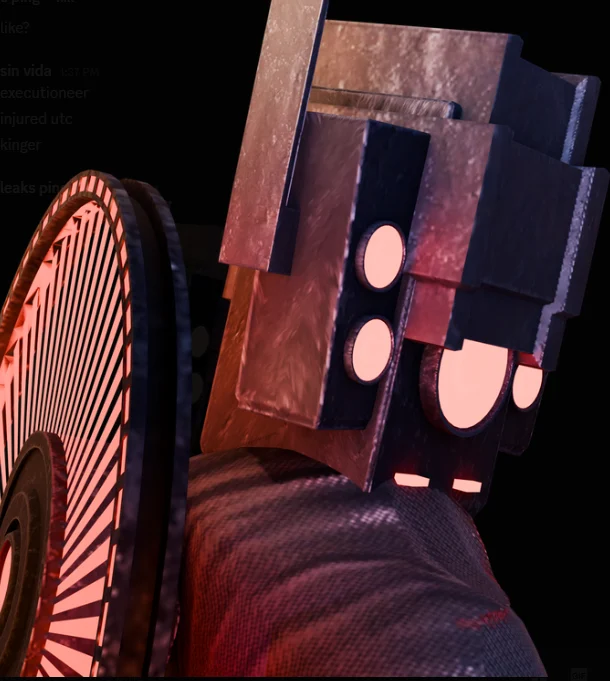
Where Executioner Speakerman fits
Executioner Speakerman's 3,000 DPS figure comes from the AllThingsHow crafting-menu table updated 14 September 2026. That is a different evidence type from a narration claim: the number was read from a table, but the table does not separate single-target damage from damage spread across a group. AOE and bleed therefore describe the role, not a measured total.
The same source records 15 in existence and a two-placement limit. Those facts matter more for team building than the tier letter: two slots cap how much of the map the unit can cover, and a 15-copy supply makes it a trade target. The 31 October Vaulted Values X row lists 260 with 7/10 demand and a Stable trend, a second market record that says nothing about combat output.
Use it where a bleed or area effect has time to work. A short wave that ends before the effect pays out is a poor test, and a single durable target is a poor test of an AOE label. The source gives no duration or tick rate, so this page does not convert bleed into extra DPS.
Upgrade priority for Executioner Speakerman
Because 3,000 is a max-upgrade table reading, the base unit may sit far below it. Check whether the panel shows bleed damage separately from direct damage, and whether upgrades raise the direct hit, the bleed, or both. If the table total includes a damage-over-time effect, an upgrade that only raises the direct hit will not reproduce the published number.
With a two-placement limit, a second copy does not create unlimited coverage; confirm the limit in the current client before buying one for that purpose. Upgrade the first copy to a level you can test, then compare it on the same group wave. A max-upgrade chase is justified only if the unit already earns a slot at its current level.
Counters and complement pieces for Executioner Speakerman
AOE plus bleed is a plausible answer to grouped enemies, but the source does not name an enemy type or resistance. The clearer weakness is single-target pressure: if most of the 3,000 is spread across a group, a lone boss may take much less. Pair it with a documented single-target unit rather than asking it to cover both jobs.
The two-placement limit also makes placement quality important. A short range would push it toward the front, while a long range would keep it safer; neither is published. Test both placements on the same wave and record which keeps the effect active longer. Do not assume the higher DPS reading means the unit survives longer.
How to verify the 3,000 DPS reading
Open the crafting or unit panel in the current client and check whether 3,000 is labelled as DPS or as damage per hit. Record the attack interval, number of targets, bleed duration and any upgrade level shown. If the table conflated direct and bleed damage, the panel will expose the difference.
Run one group wave and one single-target wave at the same level and placement. Note the number of enemies hit and how long the bleed stayed active. Keep both results; a single number hides the split the source already leaves ambiguous. If the current panel no longer matches 14 September, use the panel and mark the old table as historical.